











Fetal Diagnosis

Fetal Diagnosis

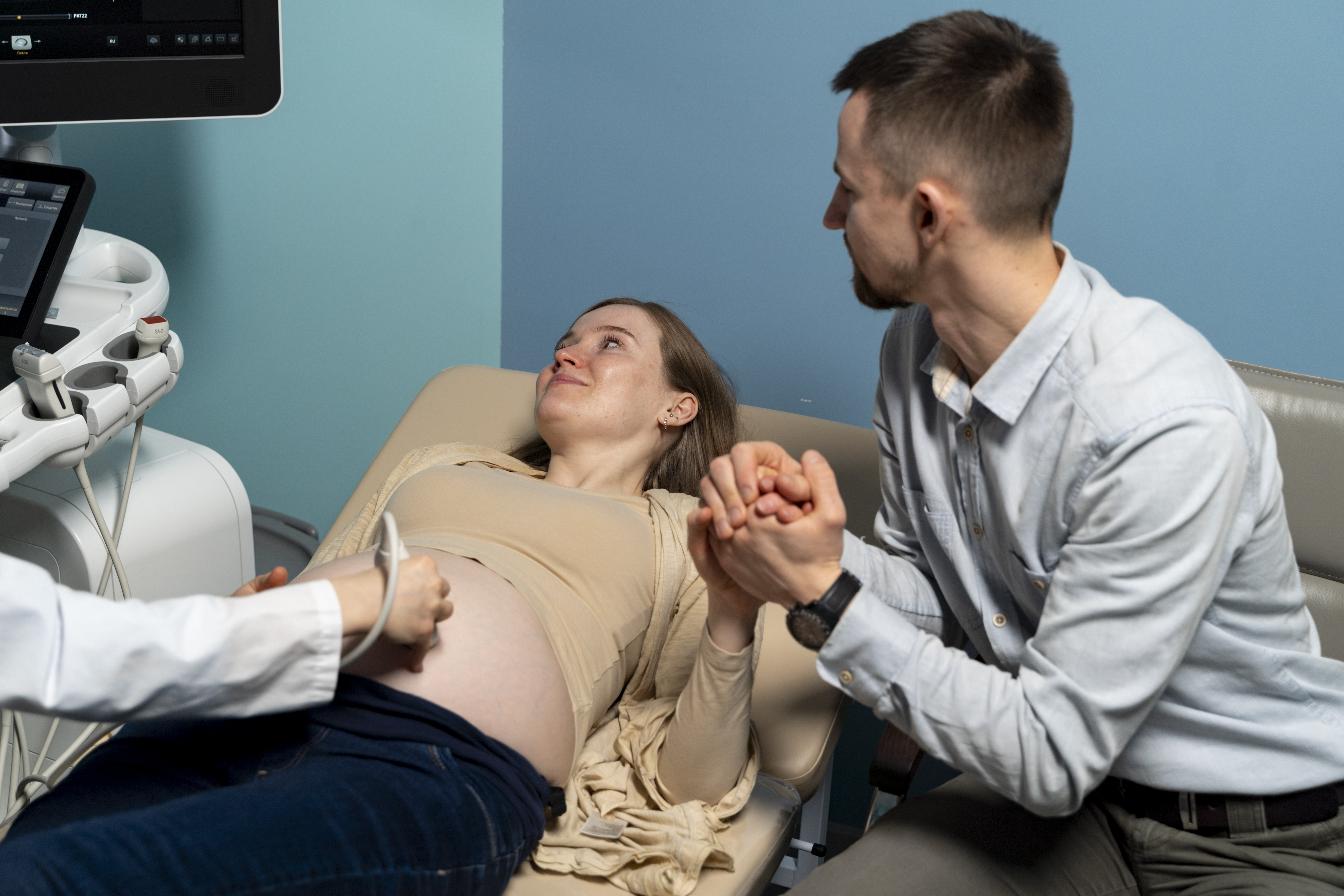
Diagnosis of fetal conditions during pregnancy.

Read MoreRead More
Fetal Therapy

Fetal Therapy

Treatment of fetal conditions during pregnancy.

Read MoreRead More
Myoma

Myoma

Benign tumors of the uterus.

Read MoreRead More
Ovarian Cyst

Ovarian Cyst

Fluid-filled sacs in the ovaries.

Read MoreRead More
Endometrial Polyp

Endometrial Polyp

Benign tissue growths on the uterine lining.

Read MoreRead More
Urinary Incontinence

Urinary Incontinence

Inability to control urination.

Read MoreRead More
Chocolate Cyst (Endometrioma)

Chocolate Cyst (Endometrioma)

Cyst type formed in the ovary in endometriosis.

Read MoreRead More
Placenta Previa

Placenta Previa

A pregnancy complication where the placenta covers the cervix.

Read MoreRead More
Preeclampsia

Preeclampsia

High blood pressure and protein in urine during pregnancy.

Read MoreRead More
Uterine Prolapse

Uterine Prolapse

Descent of the uterus into the pelvic floor.

Read MoreRead More
Ectopic Pregnancy

Ectopic Pregnancy

Implantation of the fertilized egg outside the uterus.

Read MoreRead More
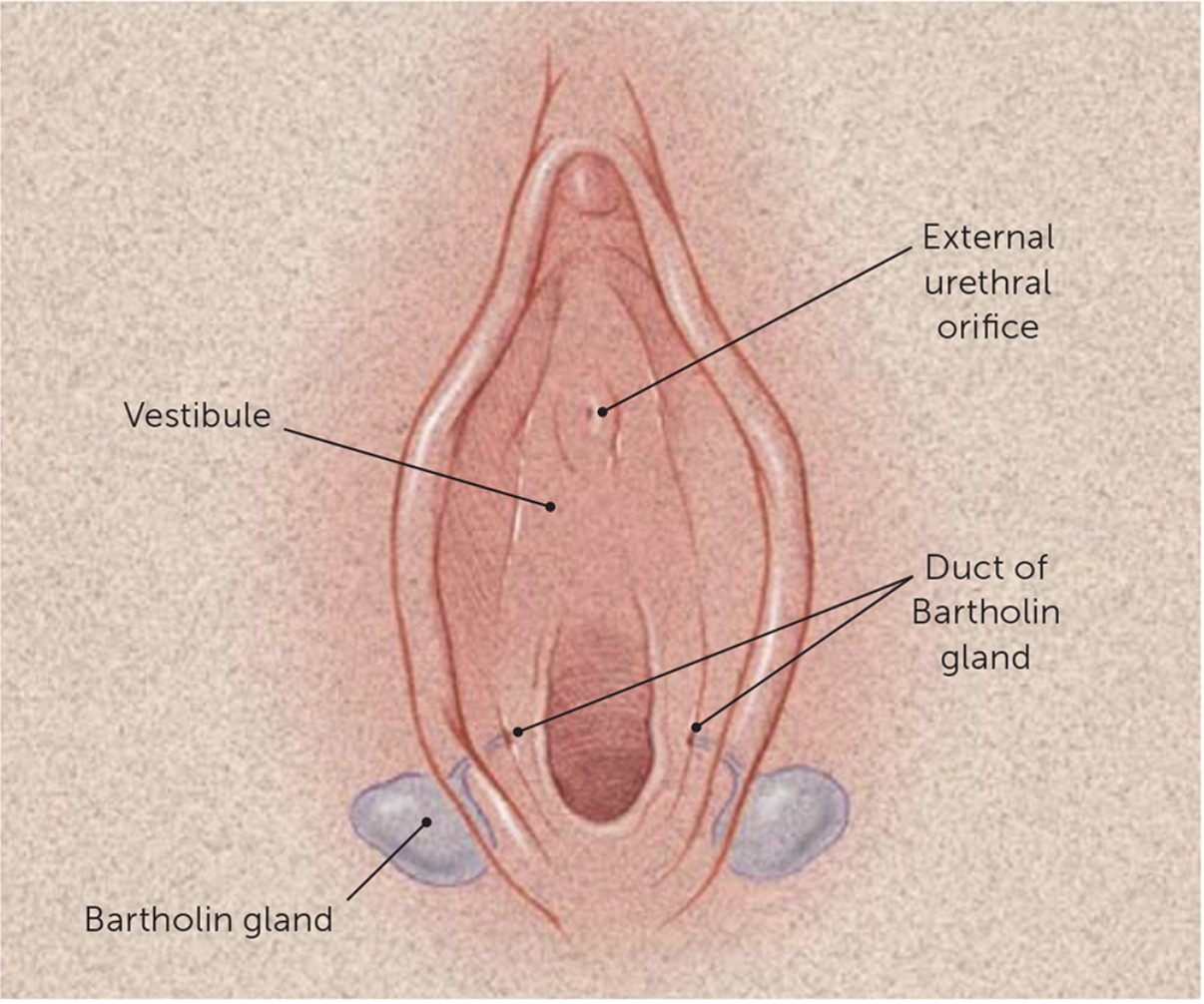
Bartholin Cyst

Bartholin Cyst

Fluid-filled cysts in the Bartholin gland.

Read MoreRead More
Posterior Urethral Valve (PUV)

Posterior Urethral Valve (PUV)

Abnormal tissue folds in the urinary tract of male babies.

Read MoreRead More
FREQUENTLY ASKED QUESTIONS

Here are many common questions!

You can find answers to common questions about women's health and pregnancy here.

Get in TouchGet in Touch

Pregnancy follow-up is usually once a month in the first 28 weeks, every 2 weeks between 28–36 weeks, and once a week after week 36. This schedule can vary depending on each pregnancy's specific conditions.

Perinatology is the specialty focused on diagnosing, monitoring, and treating high-risk pregnancies affecting both mother and baby. It is recommended in cases such as twin pregnancy, preterm birth risk, fetal growth restriction, suspected structural anomalies, and preeclampsia.

It is recommended that all women have at least one gynecological check-up per year. Regular follow-up is important even for healthy women without symptoms.

The duration of infertility treatment depends on the underlying cause and the selected treatment method. The most suitable plan is determined after a comprehensive evaluation.